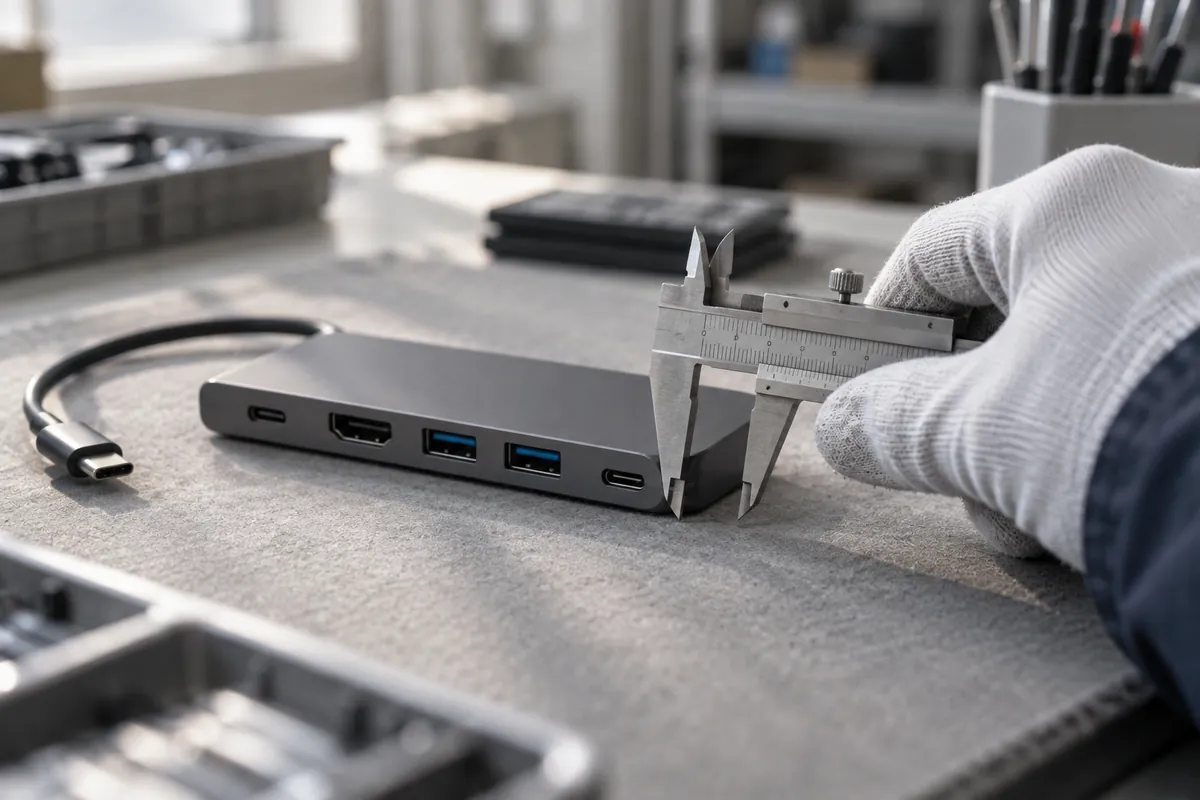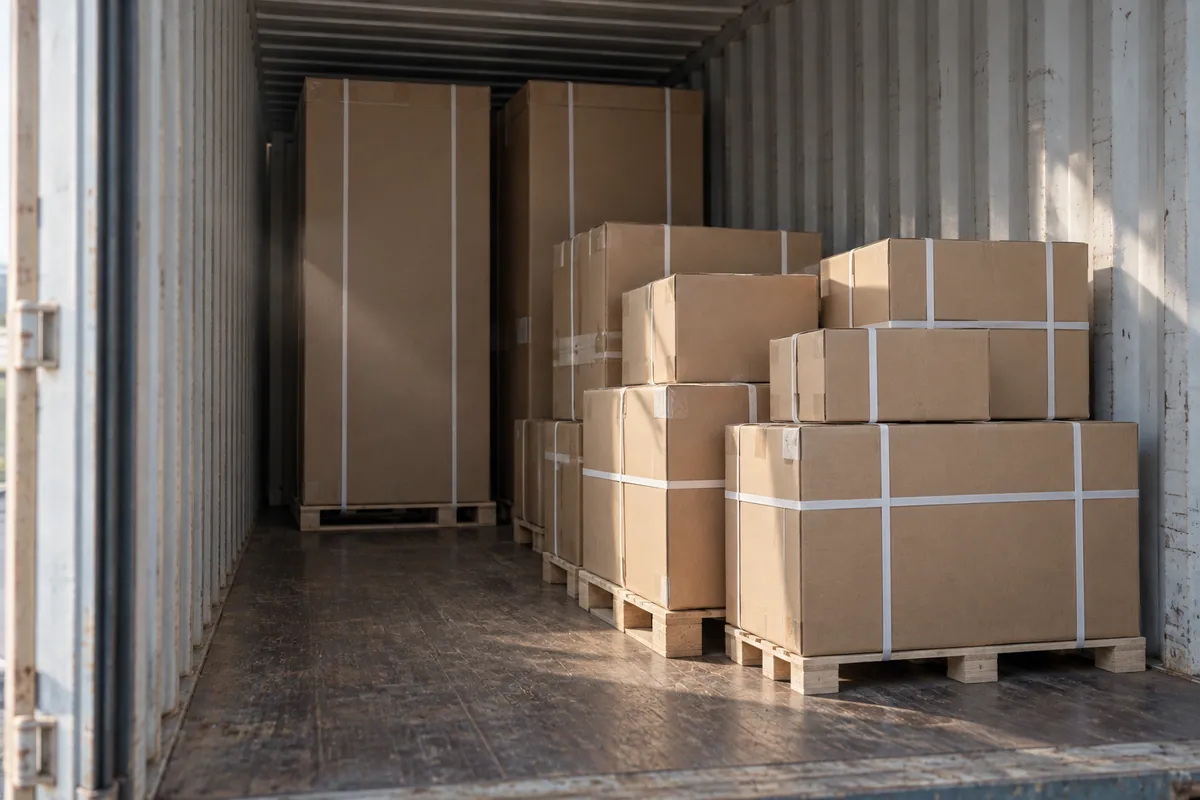
A mixed container lets you buy each factory's minimum and still use the space: bulky products such as refrigerators are combined with small, dense products such as small appliances or peripherals from other suppliers, and everything is consolidated in a warehouse before loading.
Each factory's minimum order quantity, the MOQ, is usually looked at one factory at a time. The trouble starts when one factory's minimum does not fill a container and another's forces you to buy more than you sell.
Volume and weight fill up differently
Refrigerators and freezers fill a container by volume long before they reach the weight limit. Small appliances and peripherals work the other way: they take little space and weigh relatively more per carton.
Combining both types is the natural way to use a container without stretching any single order.
How it is put together, step by step
- Start with your best-selling product and set its real quantity, instead of the quantity that fills the container.
- Work out the remaining volume from that product's master carton size.
- Fill the rest with lower-volume products from other factories, respecting each one's minimum.
- Coordinate pickup from every factory to a single consolidation warehouse.
- Load heavy goods at the back and bottom, light goods at the front.
Negotiating the minimum when the order is mixed
A factory is more open to a lower minimum when it knows its product travels in a well-planned container and that the order will repeat.
- Ask whether the minimum is per model or per color: sometimes it can be split.
- Offer to accept the factory's standard packaging to lower the minimum.
- Share your reorder calendar, even a rough one.
What gets complicated and how to avoid it
More factories mean more dates and documents to track, and more inspections. Consolidation works when one person coordinates every date and answers for the whole shipment.
Frequently asked questions
How many factories can share one container?
There is no fixed cap. The practical limit is coordinating dates and documents.
Does consolidation cost more?
It adds transfers and a warehouse, but it avoids buying volume that does not sell. Compare the total landed cost per unit.