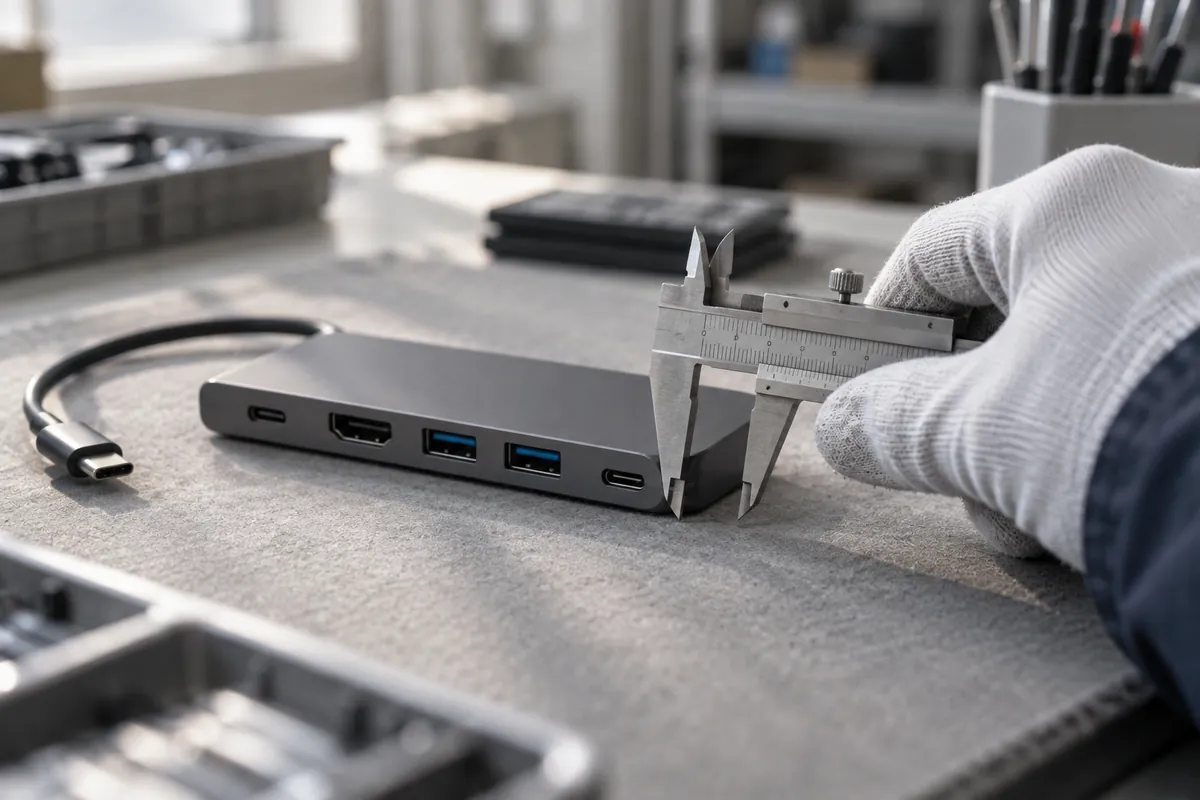
A lot can pass an AQL inspection and still arrive with defects, because sampling checks part of the lot and accepts a maximum number of faults. What AQL does ensure is that a lot worse than the chosen level would very likely be caught.
You booked the inspection, the report came back marked Pass, and when you open the container some TVs have a dead pixel. The inspector may well have done the job right.
What AQL means, without the jargon
AQL stands for acceptance quality limit. It is a sampling method based on ISO 2859-1: depending on lot size, a set number of units is opened at random and the defects are counted.
If the defects found stay within the allowed number, the lot is accepted. If they exceed it, the lot is rejected.
Why an approved lot can still carry faults
- The sample is a part of the lot, never the whole lot.
- The chosen level tolerates a small number of minor defects.
- Some defects only show up with use or transport, after the factory test.
A dead pixel that only shows on a white background, for example, can slip through if the screen test does not include that pattern. That is why the checklist matters as much as the level.
Three defect types, three tolerances
| Type | Example in electronics | Usual tolerance |
|---|---|---|
| Critical | Electrical hazard, exposed wire, wrong plug | Zero |
| Major | Does not power on, will not pair over Bluetooth, remote missing | Low |
| Minor | Small scratch on the back, crooked label | Somewhat higher |
Common practice for consumer goods is a strict level for major defects, a looser one for minor defects and zero tolerance for critical ones. The exact level is agreed with the importer before the visit.
How to cut surprises without checking 100%
- Write the tests you care about into the checklist: white screen pattern, maximum volume test, a full blender cycle.
- Ask for functions to be tested at your market's voltage as well as the factory's.
- If the product is new to that factory, add an inspection during production.
- Keep the reports: a defect that repeats across two lots points to the process.
Frequently asked questions
What AQL level suits consumer electronics?
It is set per defect type. Zero for critical defects and different levels for major and minor ones is the common approach.
Is a 100% inspection better?
It finds more, but it costs far more and is not always justified. It is usually kept for small lots or products with a history of problems.